
Etiqueta: GrossPath
-
Mammary Duct Ectasia

Duct ectasia, or periductal mastitis, involves dilated ducts leading to secretion stasis. The cause is unclear, potentially stemming from either duct involution or an inflammatory process. Symptoms include nipple discharge, pain, and abscesses. Morphologically, affected ducts exhibit thick walls filled with creamy secretion and inflammatory cell presence.
-
Angiomatous fibrous histiocytoma
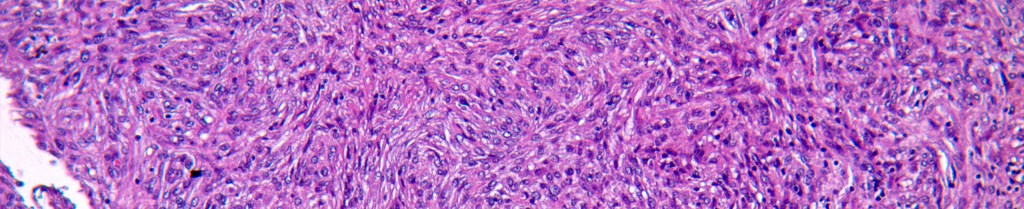
A relatively new tumor described in 1979, primarily affecting children and young adults, typically occurs in the deep dermis or subcutaneous tissue, resembling hematomas. With low malignant potential, it shows EWSR1 gene rearrangement in many cases. Its rare nature and overlapping features with other tumors highlight the need for awareness.
-
Wilms Tumor (Nephroblastoma)
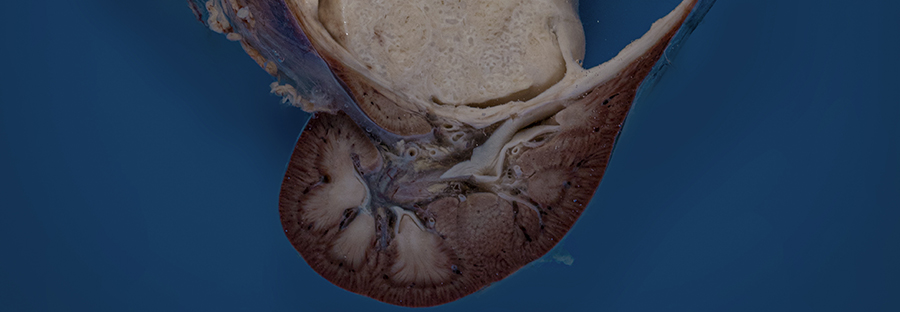
Named in honor of Max Wilms (who originally proposed the origin of mixed kidney tumors) Originated from nephrogenic blastema 90% of kidney pediatric tumors Frequently present WT1 alterations (11p13) Associated with syndromes (10%): Beckwith-Wiedemann, Denysh-Drash, WAGR Palpable Painless mass is usually the most frequent presentation Well circumscribed, pseudo encapsulated, gray-tan. Can have cystic areas Usually…
-
Fibrocystic Changes of the breast
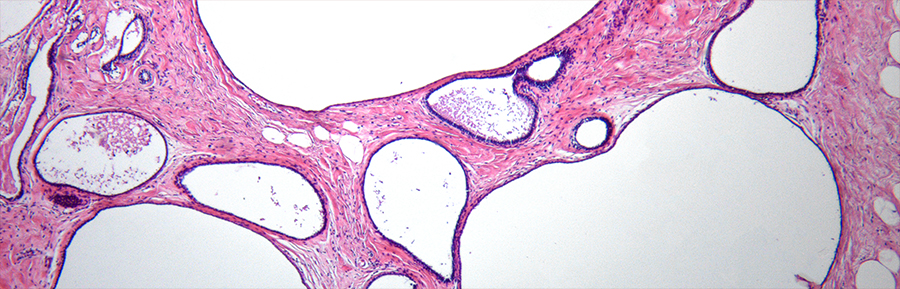
Very frequent in women during reproductive period (25-45 years) Can mimic several situations, clinically and radiologically Usually multifocal and bilateral Can present with discomfort, pain, heaviness or nipple discharge Some cases can even present with axillary lymphadenopathy Ultrasound usually discovers fibrosis, cysts and microcalcifications The gross appearence is a poorly defined, gray-white area with cysts…
 drpatologopediatra.com